If you hang out on Australian building and construction websites, you quickly find out that most serious cases include plant and equipment. Not since devices are inherently unsafe, however since individuals and plant are sharing room, often under pressure, with incomplete information and altering conditions.
The nationwide building induction, CPCWHS1001 Prepare to work securely in the construction sector, places a heavy focus on plant and equipment threat for that reason. Whether you are getting a white card in Adelaide, Darwin, Hobart, Perth, or anywhere else, the core message coincides: if you respect plant, understand its restrictions, and apply the fundamentals every single time, you dramatically reduce the odds of anyone getting hurt.
This short article checks out plant and devices safety and security as it is framed in the Australian white card course, and exactly how that plays out in genuine, high threat tasks on site.
Where plant and equipment match your white card
The white card - often called a building and construction induction card or general building induction training - is a legal need if you are going to get on a construction website in Australia and doing building work. That consists of labourers, carpenters, electrical experts, plumbers, painters, designers, land surveyors, task managers, pupils, and in many cases delivery chauffeurs and property representatives who regularly go into energetic sites.
The current device of competency is CPCWHS1001 Prepare to function safely in the construction market, although you may still see CPCCWHS1001 referenced in some older products. The course covers four huge styles: recognizing your WHS responsibilities, identifying threats, controlling threats, and reacting to cases. Plant and equipment safety rests inside all four.
In a regular white card course, the instructor will certainly go through:
- what counts as plant and devices on a building and construction site common case types involving plant - squashing, runovers, complexity, drops, electric call, direct exposure to dust and noise how to use the pecking order of control to take care of plant threat, not simply PPE safe job practices that are non‑negotiable: pre‑start checks, exclusion zones, watchmans, lockout and tagging, isolation, and communication
If you come close to the program as a box‑ticking workout, you miss a lot of value. Treated properly, it is your first structured consider what can fail around mobile and set plant, and exactly how to test risky setups also as a new worker.
What "plant" in fact implies on a construction site
Many people enter basic construction induction training thinking plant simply means an excavator or crane. Under Australian WHS legislation, plant is a lot more comprehensive. Throughout a white card course Australia broad, trainers will typically specify plant as machinery, tools, devices, containers, carries out and tools, and even some scaffolds and stress systems.
On a real site that can consist of:
- earthmoving plant like excavators, skid steers, loaders and graders lifting plant such as mobile cranes, tower cranes, telehandlers, lifts, and equipment made use of for dogging and rigging access equipment like elevating work platforms, scissor lifts and boom lifts powered tools, from demolition saws and nail weapons to grinders and SDS hammers fixed devices such as concrete batching plant, conveyor systems, and some workshop plant temporary systems consisting of some types of scaffolding, formwork systems and shoring
Treating every one of that as "plant" helps you apply a consistent state of mind: plant has energy, and uncontrolled power harms individuals. Mechanical movement, saved hydraulic pressure, electrical power, compressed air, even gravity and warm, all need to be managed.
High threat plant jobs that capture individuals out
In practice, the riskiest plant and equipment situations on a construction website often tend to look comparable from one state to another, whether you are under the South Australian white card regime, the New South Wales white card system, or in the North Area or Queensland.
A couple of patterns turn up time and again in occurrence reports.
Working around mobile plant in limited areas is a big one. Pedestrians walk behind reversing loaders, or across a telehandler's path, presuming the operator can see them. On congested sites in Adelaide or Melbourne, when gain access to is tight and numerous subbies are working over the top of each various other, it only takes one unintended motion for a person to wind up in a blind spot.
Lifting operations are one more. If you have ever before seen dogging and rigging work very closely, you know just how promptly a swinging tons or fell short training point can end up being harmful. Poorly intended lifts with homemade training equipment, no tons graph, and no defined exemption zone are still far also common.
Then there is work at height using plant. Individuals lean out of scissor lifts, make use of pallets as makeshift work systems on forklifts, or get on top of vehicle lots without autumn defense. A white card course will certainly not certify you for operating at heights, however it should provide you sufficient understanding to acknowledge when elevation job including plant is being done poorly.
Finally, powered hand tools silently contribute to a great deal of injuries. One instance: a young labourer getting a 9‑inch grinder with a worn disc and no guard because "we just require a quick cut", and ending up with deep lacerations. The task really feels routine, so guards, RCD checks, and housekeeping slip.
The white card course content tries to offer new workers sufficient practical instances like these to ensure that future warnings stand apart instantly.
Controls that matter most around plant
In CPCWHS1001 training, you will listen to the term "hierarchy of control". It is not simply theoretical language for analyses and white card inquiries. When you look at significant plant incidents, you can frequently see that controls were chosen from the bottom of the power structure initially, as opposed to the top.
Substitution or engineering controls make the greatest difference. As an example, utilizing a remote‑controlled demolition robot as opposed to a jackhammer in a confined space, or setting up physical obstacles and gateways around a crane swing distance as opposed to simply asking people to "remain clear". Separating pedestrians and lorries with committed sidewalks and crossing points is another easy however powerful design control.
Administrative controls still matter, particularly on fast‑moving commercial tasks. Safe work method statements, plainly assigned spotters, and simple policies such as "no turning around without a watchman in this lane" are instances white card nsw you will certainly listen to in white card conversations. The key is that they are just effective when they are practical for the task and actually enforced.
PPE sits at the end of the hierarchy. High‑vis, hard hats, security boots, eye and hearing protection are necessary on any type of building site, but they do not in themselves manage plant risks. One typical mistake among new to building and construction employees is thinking that since they are wearing PPE on a loud building website, they are properly protected from the risk of being hit by a moving vehicle. PPE mainly limits the repercussions of an occurrence, not the likelihood.
When you rest your white card assessment, some questions will explicitly examine your understanding of these levels of control, especially in plant scenarios.
Pre start checks and seclusion: the monotonous behaviors that stop disasters
I have lost matter of the variety of plant‑related events that began with "we skipped the pre‑start because we remained in a rush" or "we assumed white card perth it was isolated". The white card course can not educate you to operate an excavator, but it can and should hammer home two practices: always check, and constantly isolate.
A convenient pre‑start regimen for plant and tools will check the essentials of mechanical problem, safety systems, and environment. On a real site that could suggest walking an equipment and seeking leakages, loosened parts, and evident damages, testing lights, horn and turning around beeper, checking guards and emergency quits, and scanning the work area for overhead powerlines, soft ground, neighboring trenches and various other workers.
Here is an easy pre‑start habit checklist that lines up with what excellent white card fitness instructors reinforce:
Walk around the plant and try to find damage, leaks, loose components or missing out on guards. Check security systems - brakes, horn, lights, reversing alarm, emergency situation stops. Confirm work area conditions - ground security, above blockages, trenches, various other people. Verify approvals and tags - existing examination, logbook entries, and any type of seclusion or "do not use" tags. Test basic functions gradually before operating at complete rate or near individuals or structures.Lockout, marking and seclusion enter into play whenever plant is being repaired, cleaned, or examined, or when there is a well-known fault. Every person who holds a construction white card must be prepared to deal with a "do not operate" tag as absolute. On a suitable white card course, you will certainly see actual tags and lockout tools, not just images in a slide pack.
Shared plant: who is in fact responsible?
On shared sites - larger business builds, commercial jobs, or mining construction - plant and devices is usually brought in by expert subcontractors. A concrete pump, a crane, an EWP hire firm. Some employees think that responsibility for safety and security sits just with the plant owner or operator.
Under Australian WHS laws and the assistance in CPCWHS1001 Prepare to function safely in the building and construction industry, that is not just how it functions. The major specialist, the host employer, the plant owner, and the employees all share tasks. If you are a woodworker, for example, you could not run the telehandler that raises your trusses, however you have a responsibility not to walk right into its dead spots, to comply with any kind of exemption zone rules, and to increase concerns if the training configuration looks unsafe.
The white card training is developed to offer non‑operators simply sufficient understanding of plant dangers to hold their very own in these conversations. That is why you might see inquiries concerning who can run specific plant, what high danger job permits are needed for cranes or dogging and rigging job, and when to quit working and call the supervisor.
Plant and certain hazards: dirt, sound, asbestos, silica and heat
Modern building and construction sites include more than just physical crush and strike risks around plant. The plant itself frequently creates other risks that are covered generally building induction training.
Dust from building sites is a good example. Concrete cutting, chasing, grinding and demolition making use of powered plant generate respirable dust, including silica dirt. On an asbestos construction site or refurbishment work, also small, improperly controlled jobs can interrupt asbestos‑containing product and placed everyone in the location at risk.
A solid white card course will certainly connect the dots: it is not enough to use a P2 respirator. You require to think of how to control dust at the source via damp cutting, on‑tool removal, proper containment, and decontamination procedures. That applies in mining white card contexts along with in metropolitan building projects.
Noise from plant is another slow‑burn danger. Lots of more youthful employees on labourer white card training courses do not feel the discomfort from noise direct exposure right away, so they ignore it. Yet investing hours near jackhammers, concrete pumps, or generators without hearing security leads to permanent hearing loss. The program must drive home that sound is not simply aggravating, it is a wellness risk that calls for controls: quieter plant choice where possible, isolation, time frame, and suitable PPE.
Heat stress on building websites, specifically around plant with poor shade or in Australian summers, is entitled to even more attention than it typically obtains. Operators in encased cabins without functioning air conditioning, or labourers working near hot exhausts and engines, go to threat of dehydration and warm disease. White card fitness instructors usually make use of actual stories here: car drivers blacking out, or workers making poor choices late in the day because they are overheated.
Electrical security and plant
Plant and electricity engage in a few high danger ways. Mobile plant calling above powerlines is the classic example. A boom lift or crane slewing right into live lines, or a tipper elevating a tray under a line, is the type of incident that makes nationwide news due to the consequences.
The construction induction card training hangs out on electrical security building and construction basics because of that. Safe strategy distances, finding, and the significance of exact solution strategies are emphasised. New workers are educated that if plant hits a powerline, the driver must usually remain in the taxicab, advise others to maintain clear, and just exit if there is immediate threat such as fire, following rigorous jump‑clear techniques.
Portable electrical plant and tools bring various other familiar hazards: damaged leads, missing out on tags, no RCD protection, or people collaborating with power tools in wet conditions. Many white card evaluation questions take advantage of these circumstances, seeking an understanding that seclusion, evaluation and testing, and RCDs are your cutting edge of support, not just rubber boots.
High threat plant and work at height
Working at elevations and plant are intertwined on most business and domestic projects. Roofing contractors utilizing EWPs, façade installers in swing phases, electrical experts accessing above cord trays from scissor lifts, or plumbings working from boom lifts to set up pipework.
In the context of CPCWHS1001, you are not being trained as a heights professional, yet you need to come away with a clear image of what great technique looks like. As an example, using accepted access equipment as opposed to standing on pails or the leading step of a ladder, tying off devices, not climbing on guardrails, and understanding when a harness system is required.
A sensible white card course will certainly also touch on side situations: using plant on sloping or soft ground, wind limitations for EWPs and cranes, and the communication between weather condition, plant security and working at elevations. Heat, rain, and wind all influence whether plant operate at elevation is safe on an offered day.
What the white card does and does not certify you for
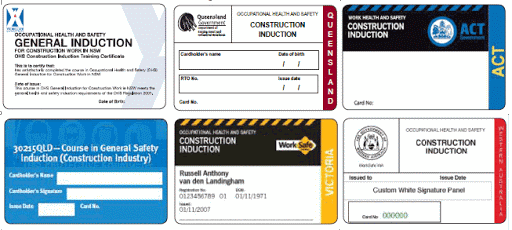
A great deal of confusion still surrounds the connection in between the white card and other building and construction permits in Australia. The white card is your general induction. It confirms you have actually completed CPCWHS1001 Prepare to function securely in the building industry (or an older equivalent) and are permitted to enter functional construction websites for job covered by the building construction award 2020 and relevant sectors.
It does not authorise you to run plant that needs a high threat work permit, such as cranes, some EWPs, or dogging and setting up. It additionally does not in itself certify you for a building and construction instruction, although many building and construction instruction requirements will consist of holding an existing white card before you start on site.
Similarly, professional duties such as traffic control, asbestos elimination, and restricted area entry need further training. The white card course aims to give you sufficient structure to make sure that when you later on participate in these courses, the WHS principles are familiar.
How to get a white card with plant safety in mind
If you or your team are starting in building and construction, the procedure to make an application for white card training is relatively straightforward, yet varies somewhat by state and territory.
Here is an easy, useful sequence that shows how it works in the majority of Australia:
Create a USI (Unique Student Identifier) online, which you will require for any kind of nationally identified training including CPCWHS1001. Choose a signed up training organisation that supplies the white card course in your state or area, inspecting whether training has to be in person or can be partially online. Enrol in CPCWHS1001 Prepare to function securely in the building and construction sector, seeing to it you comprehend the program duration, assessment format, and recognition requirements. Complete the training and evaluation, paying particular focus to plant and tools components, and proactively asking questions about circumstances you anticipate to face. Receive your statement of accomplishment and your physical or electronic white card, and discover just how to validate your white card and keep documents in situation it is shed or damaged.Different territories have additional policies. For example, some states restriction or limit totally online white card training, so the answer to "can I do white card online" will depend on where you live. There are also guidelines around white card NT 60 day validity for acting cards, and certain needs for white card NSW relating to in person shipment white card course in adelaide and NSW white card expiration guidelines. A great service provider will explain these state distinctions plainly at enrolment.
White card cost varies by provider and region, but for private bookings it frequents the reduced numerous bucks. Group white card training for corporate clients can be a lot more budget-friendly per person, and company white card training can be customized with instances that match a company's actual plant fleet and job types.
What to anticipate in the course around plant and equipment
People typically ask, "Is the white card course hard?" The short response is that if you pay attention and involve with the material, especially around plant dangers you will really see on website, you need to be great. The language is kept plain, and trainers are utilized to sustaining participants that are brand-new to building and construction or who have English as a second language.
In relationship to plant and tools, expect to see practical images and video clips of equipment in use, incident case studies, and white card course questions mounted around "what would you do?" moments. White card inquiries and solutions commonly evaluate whether you can appropriately determine a hazard and propose a suitable very first reaction, not whether you know rare law numbers.
Practice white card examinations and example white card examination inquiries and answers PDFs can aid you obtain a feel for the style. Take care, though, of web sites that assert to supply "CPCCWHS1001 white card solutions" or "white card test solutions" as a shortcut. Memorising those does not aid you on an online site when you are standing alongside a reversing truck or a jammed conveyor. The genuine value is being able to see a plant danger and respond sensibly.
The white card course what to expect brief from many RTOs is precise: expect around one day of training, some written and spoken analysis, and energetic engagement. The length of time does a white card course take in hours? Usually six to 8 hours consisting of breaks, although some service providers spread it in different ways. Under 18 individuals can participate in, yet may require parental approval or guidance depending on regional rules.
Site society, communication, and your right to talk up
No quantity of CPCWHS1001 white card material can change a solid safety and security society on site. If managers or knowledgeable professions downplay plant dangers, disregard exemption areas, or inform brand-new employees not to bother with watchmans or pre‑start checks, the danger rises despite the amount of white cards remain in wallets.
This is where WHS interaction on building websites materializes. As a brand-new or young employee, you must really feel able to say "I do not feel secure standing right here while that crane is operating" or "The guard is missing out on from that mill, we should identify it out". The general building and construction induction training define that you have a right to stop or decline unsafe work and to raise hazards, including plant‑related ones, without being victimised.
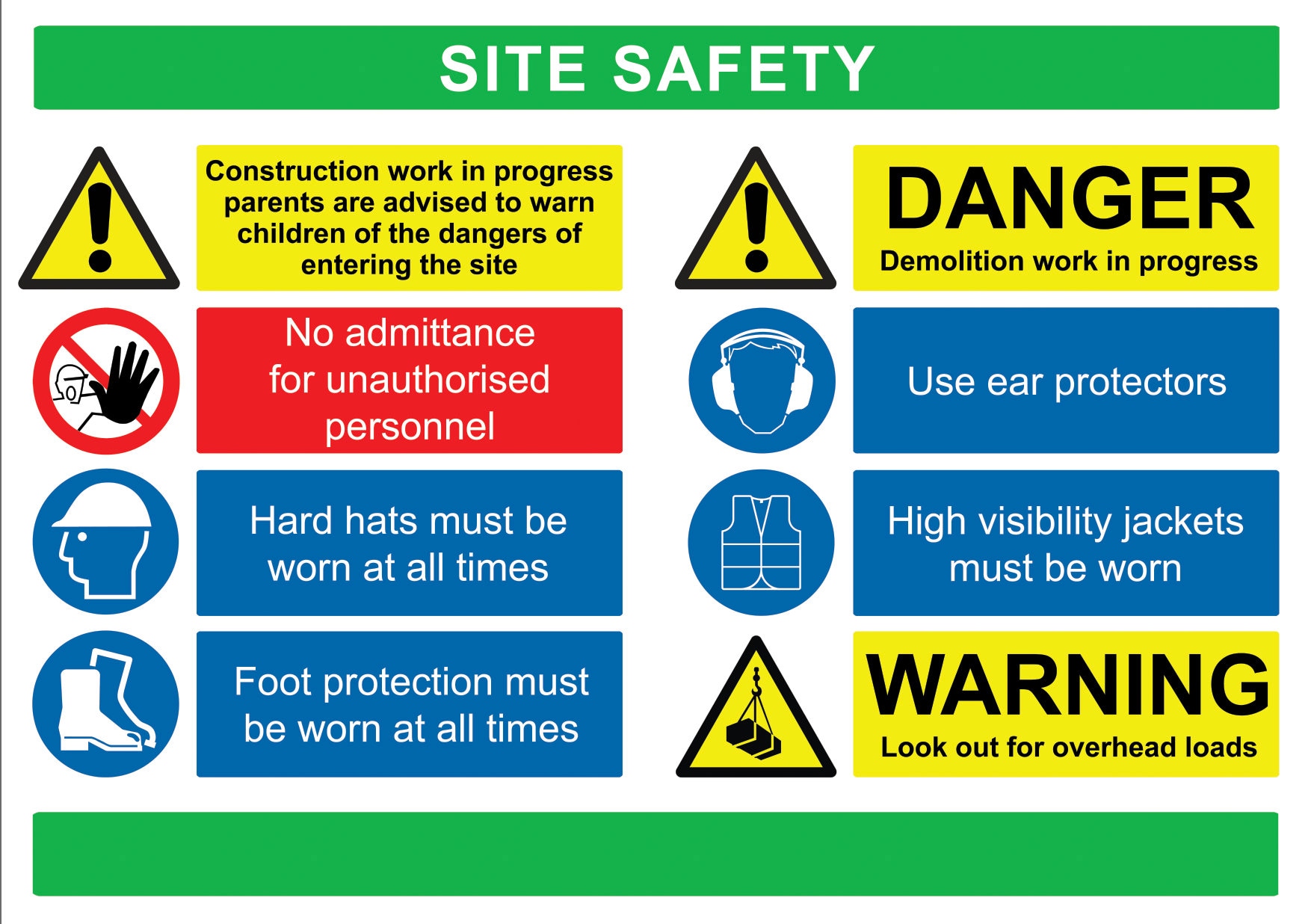
Look at building and construction website indications as one more interaction tool. Indications showing exclusion zones, PPE needs, or caution of mobile plant are only effective if individuals value them, and if they in fact show problems on the ground. When signage ends up being out-of-date, confusing or neglected, it is a sign that plant safety and security is not being taken care of well.
Keeping your white card and your plant skills current
Once you have your Australian white card, does it end? The card itself does not generally have a repaired expiry day in several territories. Nevertheless, some regulators treat white cards as non-active if you have not carried out building work for a specified period, usually two years, and may need re-training or refresher training prior to you return to website. This is due to the fact that expertise, specifically around quickly transforming locations like plant security and hazardous materials building and construction, discolors if not used.
If you shed your card, get in touch with the RTO or authority that issued it to request a substitute. White card substitute procedures and costs vary by state. As an example, substitute white card WA and white card replacement SA demands are taken care of via different sites. It is clever to maintain a copy of your declaration of accomplishment, which confirms you completed the CPCWHS1001 training course also if the physical card is missing.
Given just how quickly plant technology and WHS expectations relocate, some business run internal white card refresher sessions concentrated on high threat areas like plant, work at height and building emergency situation procedures. These do not typically change the official white card, yet they help maintain awareness sharp. Company white card and group white card programs are frequently made use of to swear in entire groups at the same time, specifically when major tasks ramp up.
From a personal development angle, if you are thinking about how to come to be a building contractor in Australia, or preparing a long‑term job in building and construction, deal with each communication with plant as a discovering opportunity. Ask operators concerns, see exactly how skilled riggers manage lots, and listen throughout website toolbox discuss incidents entailing plant.

Plant and equipment are at the heart of modern-day building, whether you get on a high‑rise in Sydney, a community in Adelaide, a source task in the Northern Area, or a school repair in Tasmania. The white card course is not the end of your understanding. It is the beginning point that shows you where the edges are, specifically with high danger tasks involving plant.
If you value those edges, maintain asking "what could go wrong with this maker below, today, in these problems?", and utilize the straightforward controls you discovered in CPCWHS1001 every time, you offer on your own and your officemateses a much better chance of going home undamaged at the end of each shift.